
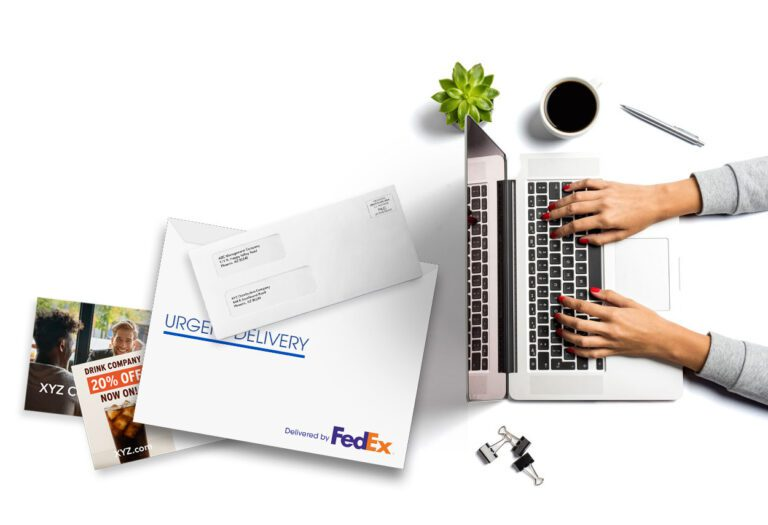
In a time when donors are constantly exposed to emails, digital ads, and social media content, direct mail continues to stand out as a personal and tangible form of communication. Nonprofit fundraising direct mail remains one of the most effective strategies for engaging supporters and strengthening donor relationships, especially when organizations are just beginning to explore or refine this channel.
This guide outlines the key elements of successful direct mail fundraising for nonprofits, including:
- What nonprofit direct mail fundraising is
- The benefits of nonprofit direct marketing
- Best practices for direct mail fundraising
- Working with direct mail fundraising support providers
- Frequently asked questions about direct mail campaigns
When applied strategically, direct mail can improve donor acquisition, increase retention, and deepen long-term engagement. The following sections explain how organizations can effectively use this channel to support fundraising goals.
What is Nonprofit Direct Mail Fundraising?
Nonprofit direct mail fundraising refers to the process of creating, printing, and distributing physical fundraising appeals to current and potential donors. These materials are delivered through postal services and provide a tangible connection between organizations and their supporters.
Unlike digital communication, direct mail offers a physical message that recipients can hold, revisit, and respond to. It is commonly used for donor acquisition, fundraising appeals, and stewardship communications such as thank-you letters and updates.
The Benefits of Nonprofit Direct Marketing
As communication has increasingly shifted to digital platforms, direct mail is sometimes viewed as outdated. However, evidence from fundraising practice shows that direct mail can remain highly effective in generating donations and strengthening donor relationships.
When implemented effectively, direct mail provides several key advantages:
It Creates a More Personal Connection Than Email
Email messages can be quickly deleted or overlooked, while physical mail feels more intentional and direct. A printed letter often communicates a stronger sense of personal attention from an organization.
It Provides a Tangible Reminder of the Organization
Physical mail pieces can remain visible in a donor’s environment, serving as a continued reminder of the organization’s mission. This ongoing presence can encourage future engagement and giving.
Donors Often Respond Positively to Physical Mail
Research in fundraising behavior has shown that recipients are often more likely to engage with mailed appeals compared to digital-only communication. Many individuals also report that physical mail feels more meaningful and less intrusive than online messaging.
Direct Mail Enhances Storytelling Impact
Printed appeals are well suited for storytelling. They allow organizations to present concise narratives that highlight real-world impact, helping donors better understand the value of their contributions.
Case-based fundraising campaigns have demonstrated measurable improvements in response rates, average gift size, and overall return on investment when direct mail is used effectively alongside other channels.
Nonprofit Direct Mail Fundraising Best Practices
Successful direct mail campaigns are typically built on strategic planning, audience understanding, and consistent testing. Several best practices help improve outcomes.
1. Know Your Audience
Understanding the donor audience is one of the most important elements of direct mail success. Communications can generally be divided into two main groups: existing donors and prospective supporters.
Existing donors have already engaged with the organization and may respond well to stewardship-focused messages, upgrade requests, or recurring giving opportunities. Prospective donors, on the other hand, are individuals who have not yet contributed and may require awareness-building and introductory messaging.
Further segmentation within these groups can significantly improve results. Personalized messaging has been shown to increase engagement and response rates, as donors are more likely to connect with content that reflects their interests and past interactions.
2. Use Storytelling Effectively
Storytelling is a core component of successful direct mail appeals. Effective narratives often focus on real individuals, communities, or outcomes that demonstrate the impact of donor support.
Strong storytelling generally includes three key elements:
Resonance
Stories should be authentic and grounded in real experiences. Detailed and specific narratives help create emotional connection and credibility.
Relevance
Messages should clearly show how the donor’s contribution makes a difference. Framing the donor as an active participant in the story can increase engagement and motivation to give.
Respect
Ethical storytelling avoids exaggeration or manipulation. Clear, honest communication helps maintain donor trust and long-term relationships.
3. Combine Copy with Visual Design
Effective direct mail integrates written content with strong visual elements. Images, layout, and design work together to support the message and guide the reader’s attention.
Photographs and visual storytelling can help illustrate impact more clearly, making it easier for donors to understand the organization’s mission and outcomes. When visuals and copy are aligned, the overall message becomes more compelling and memorable.
4. Set Goals and Measure Results
Each direct mail campaign should be guided by clear objectives and measurable outcomes. Tracking performance helps identify what works and what needs improvement.
Testing different versions of appeals—such as variations in messaging, design, timing, or audience segmentation—can provide insights into donor behavior. These insights can then be used to refine future campaigns and improve overall fundraising efficiency.
5. Integrate Online and Direct Mail Channels
Direct mail is most effective when used alongside digital communication channels. A multi-channel approach allows organizations to reach donors through multiple touchpoints, reinforcing key messages.
Common integration strategies include:
- Direct mail appeals supported by email reminders
- Social media content that reinforces campaign messaging
- QR codes or links that connect print materials to online donation pages
- Cross-channel storytelling that maintains consistent messaging
This approach allows donors to engage through their preferred communication methods while increasing overall campaign visibility.
6. Follow Up with Donor Acknowledgment
Timely and thoughtful follow-up communication is an important part of donor stewardship. Every donor interaction presents an opportunity to strengthen relationships and encourage future giving.
Effective acknowledgment practices often include:
- Personalized thank-you messages
- Handwritten notes for major contributions
- Impact-focused communication that shows how donations are used
- Timely responses that express genuine appreciation
Consistent stewardship helps build trust and increases the likelihood of long-term donor retention.
Working with Direct Mail Fundraising Support
Some organizations choose to collaborate with specialized support providers to improve the effectiveness of their direct mail campaigns. These partners often assist with donor segmentation, messaging development, design, production, and campaign analysis.
Working with experienced professionals can help organizations streamline their fundraising efforts, improve targeting, and enhance the overall quality of direct mail communications.
A structured approach often includes:
- Audience and donor data analysis
- Segmentation of donor groups
- Development of tailored messaging strategies
- Design and production of campaign materials
- Performance tracking and reporting
This type of support can help organizations focus more on donor relationships while improving campaign efficiency and outcomes.
Frequently Asked Questions About Direct Mail Fundraising
Direct mail fundraising often raises questions about cost, effectiveness, and integration with digital strategies. Common considerations include how to balance budgets, how to measure return on investment, and how to determine which donors should receive mailed communications.
Many organizations find that a hybrid approach—combining direct mail with digital outreach—provides the most balanced and effective strategy for long-term fundraising success.
Conclusion
Direct mail remains a valuable tool in nonprofit fundraising when used strategically and in combination with digital channels. It offers a tangible and personal way to engage donors, tell meaningful stories, and strengthen long-term relationships.
When supported by clear segmentation, strong storytelling, thoughtful design, and consistent stewardship, direct mail can continue to play a significant role in building sustainable fundraising programs and supporting organizational missions.