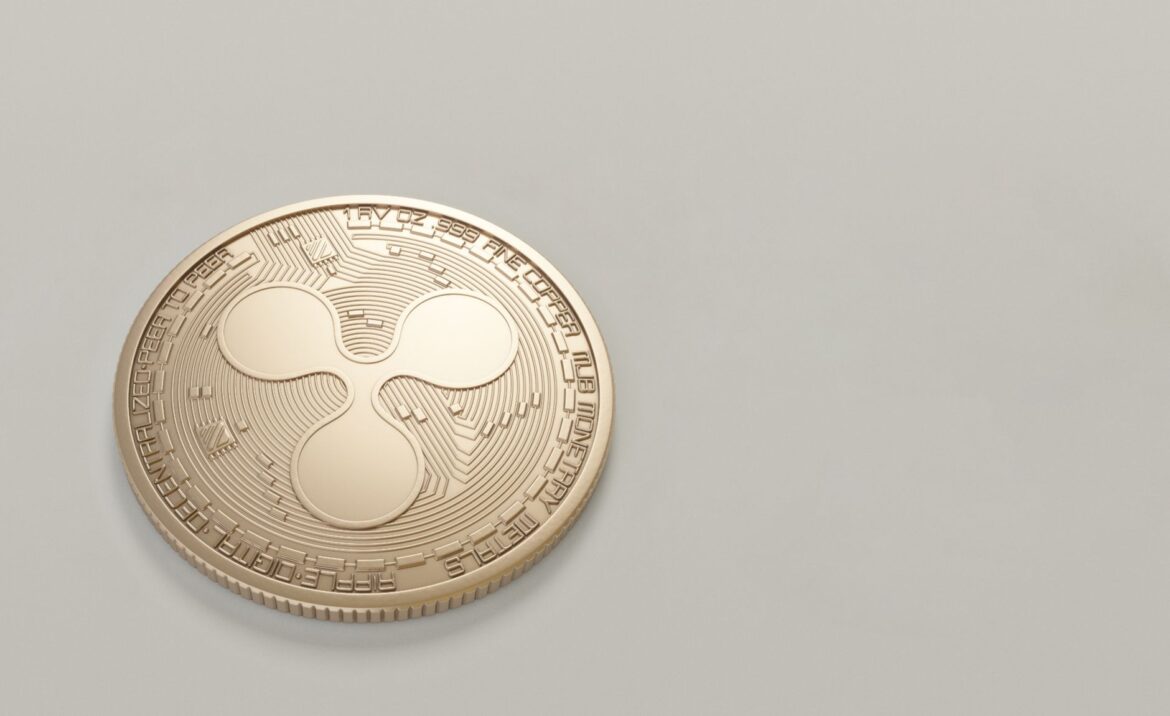
XRP traditional finance is making significant strides as it pushes deeper into the market. With growing ETF demand and enhanced access to derivatives, XRP is reshaping its role in the financial sector.
Understanding XRP’s Role in Finance
XRP has emerged as a significant player in the intersection of cryptocurrency and traditional finance, showcasing its potential as a bridge between these two worlds. The growing interest in exchange-traded funds (ETFs) has led to an increased demand for digital assets like XRP, highlighting its role in modern investment strategies.
One of the key advantages of XRP is its ability to facilitate fast and low-cost transactions, making it an attractive option for financial institutions looking to streamline their operations. As traditional finance continues to evolve, XRP is positioned to play a pivotal role in enabling seamless cross-border payments and enhancing liquidity in the market.
Moreover, the expansion of derivatives access for XRP further underscores its relevance in traditional finance. Investors are increasingly recognizing the value of integrating XRP into their portfolios as they seek to capitalize on the growing acceptance of digital assets.
- Fast Transactions: XRP enables quick payment processing.
- Low Costs: Transactions are cost-effective compared to traditional methods.
- Investment Opportunities: ETFs incorporating XRP offer new avenues for growth.
In summary, XRP’s role in traditional finance is becoming more pronounced as it adapts to the changing landscape of investment and payment solutions.
The Rise of ETFs in Crypto
The financial landscape has witnessed a significant transformation with the rise of Exchange-Traded Funds (ETFs) in the cryptocurrency sector. As traditional finance increasingly embraces digital assets, ETFs have emerged as a pivotal vehicle for investors looking to gain exposure to cryptocurrencies while maintaining the structure and regulatory oversight typical of traditional investments.
In particular, XRP is gaining traction as it pushes deeper into traditional finance. This shift has been fueled by a growing demand for ETFs that include cryptocurrencies as underlying assets. With several financial institutions exploring XRP-based ETFs, the potential for broader market acceptance is expanding.
Key factors contributing to the rise of ETFs in crypto include:
- Increased institutional interest: Major financial players are now considering cryptocurrency ETFs to diversify their portfolios.
- Regulatory clarity: Emerging guidelines are providing a more stable foundation for crypto-based ETFs.
- Accessibility: ETFs offer a simpler entry point for retail investors into the cryptocurrency market.
As XRP continues to position itself within traditional finance, the success of these ETFs could redefine investment strategies in the digital asset space.
How Derivatives Are Changing the Game
The integration of derivatives into the financial landscape is revolutionizing how assets like XRP are perceived within traditional finance. As the demand for exchange-traded funds (ETFs) grows, derivatives are becoming essential tools for investors seeking exposure to cryptocurrencies.
Derivatives, such as futures and options, allow traders to speculate on the price movements of XRP without owning the asset directly. This accessibility is attracting institutional investors who were previously hesitant to engage with the crypto market. The ability to hedge against volatility and manage risk has made derivatives an attractive option for those looking to include XRP in their portfolios.
Furthermore, the increasing availability of cryptocurrency derivatives is paving the way for more innovative financial products. This shift is likely to enhance liquidity and stability in the market, ultimately benefiting XRP’s role in traditional finance. As these financial instruments continue to evolve, they will play a crucial role in the broader acceptance of XRP and other cryptocurrencies within established financial systems.
In summary, the rise of derivatives is a game changer for XRP, aligning it more closely with traditional finance dynamics.
XRP’s Market Expansion Strategies
XRP is strategically positioning itself to capture a larger share of the traditional finance market. As demand for Exchange-Traded Funds (ETFs) and access to derivatives rises, XRP’s innovative approaches are gaining traction among investors and financial institutions.
Key strategies include:
- Partnerships with Financial Institutions: XRP has established collaborations with banks and payment processors, enhancing its legitimacy and reach in traditional finance.
- Regulatory Compliance: By ensuring adherence to financial regulations, XRP aims to build trust and facilitate smoother integrations into existing financial systems.
- Technology Integration: Leveraging blockchain technology, XRP provides solutions that improve transaction speeds and reduce costs, appealing to traditional finance players.
- Education and Awareness: XRP is actively involved in educating stakeholders about the benefits of cryptocurrency and how it can coexist with traditional finance.
These efforts demonstrate XRP’s commitment to bridging the gap between digital assets and established financial frameworks, positioning it as a leader in the evolving landscape of finance.
Impact of Traditional Finance on Crypto
The intersection of traditional finance and cryptocurrency is becoming increasingly significant, especially with the growing interest in XRP as a viable asset. As traditional financial institutions begin to embrace digital assets, XRP is uniquely positioned to bridge the gap between these two worlds. Financial products such as Exchange-Traded Funds (ETFs) are gaining traction, allowing investors to gain exposure to cryptocurrencies while benefiting from the familiarity of traditional investment vehicles.
Moreover, the expansion of derivatives markets is further solidifying XRP’s role in traditional finance. These instruments provide investors with opportunities to hedge risks and speculate on price movements without directly holding the asset. As these products gain acceptance, institutions may find it easier to integrate XRP into their portfolios.
In addition, regulatory clarity surrounding digital assets is enhancing confidence among traditional investors. With more established frameworks, the path for XRP traditional finance integration looks promising, paving the way for innovative financial solutions that cater to both crypto enthusiasts and traditional investors alike.
The fusion of these sectors is likely to redefine investment strategies and reshape the landscape of modern finance.
Future Trends for XRP and ETFs
As the demand for ETFs continues to grow, the future trends for XRP in traditional finance are increasingly promising. Financial experts anticipate that the integration of XRP into more traditional financial products will enhance its legitimacy and stability in the market.
One trend gaining traction is the collaboration between cryptocurrency platforms and traditional financial institutions. Partnerships are likely to emerge, allowing XRP to be included in a wider array of investment portfolios, thereby attracting more institutional investors.
Furthermore, the advent of regulated ETFs will provide a more secure environment for retail investors, which could significantly boost XRP’s adoption. The push for transparency and compliance in both the crypto and traditional finance sectors will further cement XRP’s role as a bridge between these two worlds.
Additionally, the increasing accessibility of derivatives linked to XRP will empower traders and investors to hedge their positions more effectively. Overall, these trends suggest a strong future for XRP as it navigates the evolving landscape of traditional finance.
Key Takeaways for Investors
As the landscape of traditional finance continues to evolve, investors should consider several key takeaways regarding XRP and its integration into this sector. Understanding the implications of XRP’s adoption in traditional finance can provide valuable insights for potential investment strategies.
- Diversification Opportunities: XRP offers a unique asset class that can complement traditional portfolios, especially in an era where digital assets are gaining traction.
- ETF Demand: The rising interest in ETFs linked to cryptocurrencies, particularly XRP, signals a shift towards mainstream acceptance, making it essential for investors to stay informed.
- Regulatory Landscape: Monitoring regulatory changes and their impact on XRP’s role in traditional finance is crucial for predicting market movements.
- Risk Management: Utilizing derivatives linked to XRP can provide investors with innovative ways to hedge against volatility while capitalizing on market trends.
- Future Potential: As both traditional finance and crypto markets converge, the potential for XRP to play a significant role in future finance strategies cannot be overlooked.
Investors who stay ahead of these trends will likely find lucrative opportunities in the dynamic intersection of XRP and traditional finance.
Investors are increasingly recognizing the potential of XRP traditional finance as a viable alternative to traditional investment vehicles. By leveraging proven strategies, market participants can enhance their chances of success in the rapidly evolving ETF landscape.
Photo by Moose Photos on Pexels
Where this came from
Related stories
Weekly Loss in Markets: The Worst Impact on Investors · IPO GMP Today: Best Listing Premiums for Investors · Sensex falls: Worst Day for Indian Stock Market