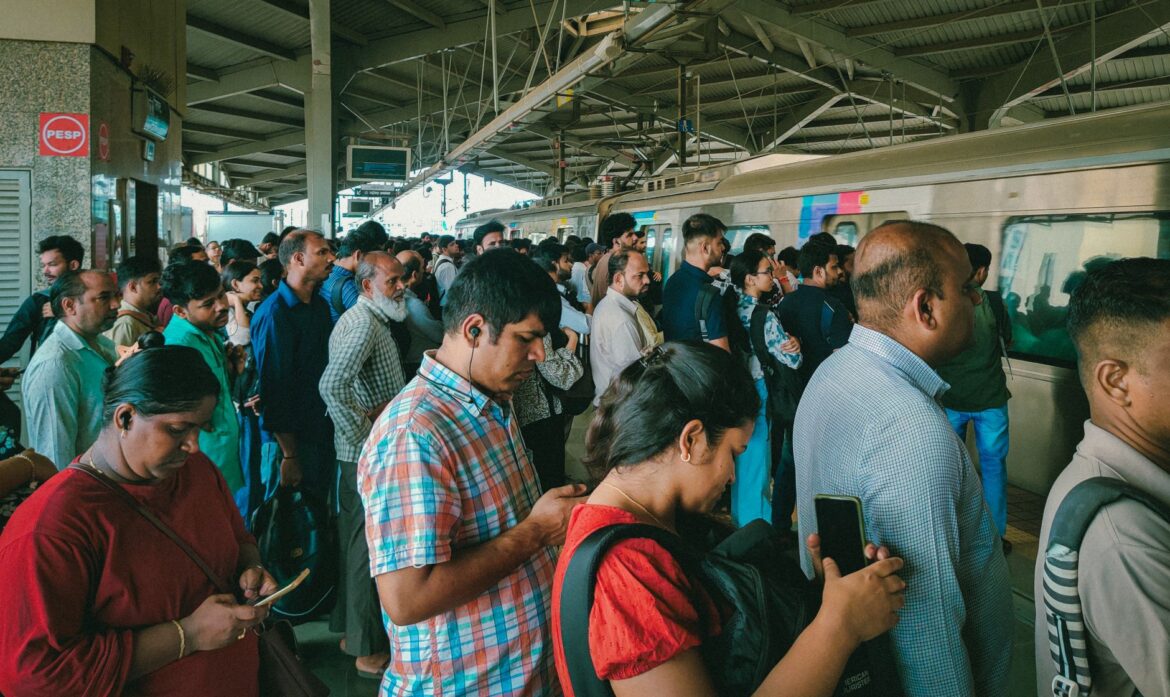
driverless Mumbai Metro systems are revolutionizing urban transport. The recent rollout of Alstom’s first driverless trainset for Mumbai Metro Lines 4 and 4A marks a significant milestone in modern transportation.
Overview of Driverless Technology
The introduction of the driverless Mumbai Metro marks a significant advancement in urban transportation technology. This innovation is part of a broader push towards automation in public transit systems worldwide, aiming to enhance efficiency and safety for commuters.
Driverless technology utilizes advanced systems to operate trains without human intervention. Key features include:
- Automated control systems: These systems manage train speed, braking, and station stops, ensuring a smooth journey.
- Real-time monitoring: Continuous data collection allows for immediate responses to potential issues, enhancing safety.
- Improved frequency: With reduced human error and optimized scheduling, driverless trains can operate more frequently.
Alstom’s recent rollout of the first driverless Metropolis trainset for Mumbai Metro Lines 4 and 4A showcases the potential of this technology. The new trains are designed to accommodate growing passenger demands while minimizing delays. As cities like Mumbai grapple with traffic congestion, the shift to a driverless metro system could provide a viable solution, offering a reliable and efficient mode of transportation for millions of commuters.
Benefits of Driverless Trains
The introduction of the driverless Mumbai Metro has generated significant interest among commuters and urban planners alike. This innovative technology presents several benefits that could enhance the overall commuting experience.
- Increased Safety: Driverless trains are equipped with advanced sensors and automated systems that minimize the risk of human error. This can lead to safer travel for passengers.
- Improved Efficiency: With precise scheduling and real-time data analysis, driverless trains can maintain optimal speeds and reduce waiting times, making commutes faster and more reliable.
- Cost Savings: By eliminating the need for train operators, operational costs may decrease, potentially leading to lower fares for commuters.
- Environmental Benefits: Driverless technology is often paired with energy-efficient systems, which can contribute to reduced carbon emissions and a smaller environmental footprint.
- Capacity Management: Automated systems can better manage train frequency and capacity, accommodating growing passenger numbers in bustling cities like Mumbai.
As the driverless Mumbai Metro rolls out, it promises to reshape urban transportation, offering a glimpse into the future of commuting.
Alstom’s Role in Mumbai Metro
Alstom, a global leader in transportation solutions, has played a pivotal role in the development of the driverless Mumbai Metro. Their expertise in rail transport technology has been instrumental in rolling out the first driverless trainset for Mumbai Metro Lines 4 and 4A. This innovative system is designed to enhance the efficiency and safety of commuter travel in one of the world’s busiest cities.
The driverless Mumbai Metro aims to streamline operations, reduce travel times, and increase the overall capacity of the metro network. Alstom’s cutting-edge technology includes advanced signaling and automation systems that allow for seamless operation without the need for a human driver.
The collaboration between Alstom and the Mumbai Metro Rail Corporation (MMRC) signifies a commitment to modernizing urban transport. Key features of the driverless trains include:
- Automatic Train Operation (ATO): Ensures precise control and efficiency.
- Real-time Monitoring: Allows for immediate response to any operational issues.
- Enhanced Safety Systems: Reduces the risk of accidents significantly.
As Mumbai embraces this technological advancement, the future of urban commuting looks promising.
Future of Urban Transportation in India
The future of urban transportation in India is rapidly evolving, with innovations like the driverless Mumbai Metro leading the charge. As cities expand and populations increase, the need for efficient and sustainable transit solutions has never been more crucial. The implementation of driverless technology is expected to transform the commuting experience for millions, providing a reliable alternative to traditional transport methods.
One significant advantage of the driverless Mumbai Metro is its potential to reduce congestion on the roads. With dedicated tracks and automated systems, these trains can operate at higher frequencies, accommodating more passengers and minimizing wait times. Additionally, the reduced need for manual operation can lead to lower operational costs and improved safety standards.
Moreover, as urban centers strive to decrease their carbon footprint, driverless transportation systems are poised to play a pivotal role in promoting eco-friendly commuting. The integration of smart technologies allows for better energy management, thus contributing to a greener environment.
In conclusion, the driverless Mumbai Metro not only represents a technological advancement but also a step towards a more sustainable urban future, catering to the needs of the growing population.
Photo by Niraj Yadav on Pexels