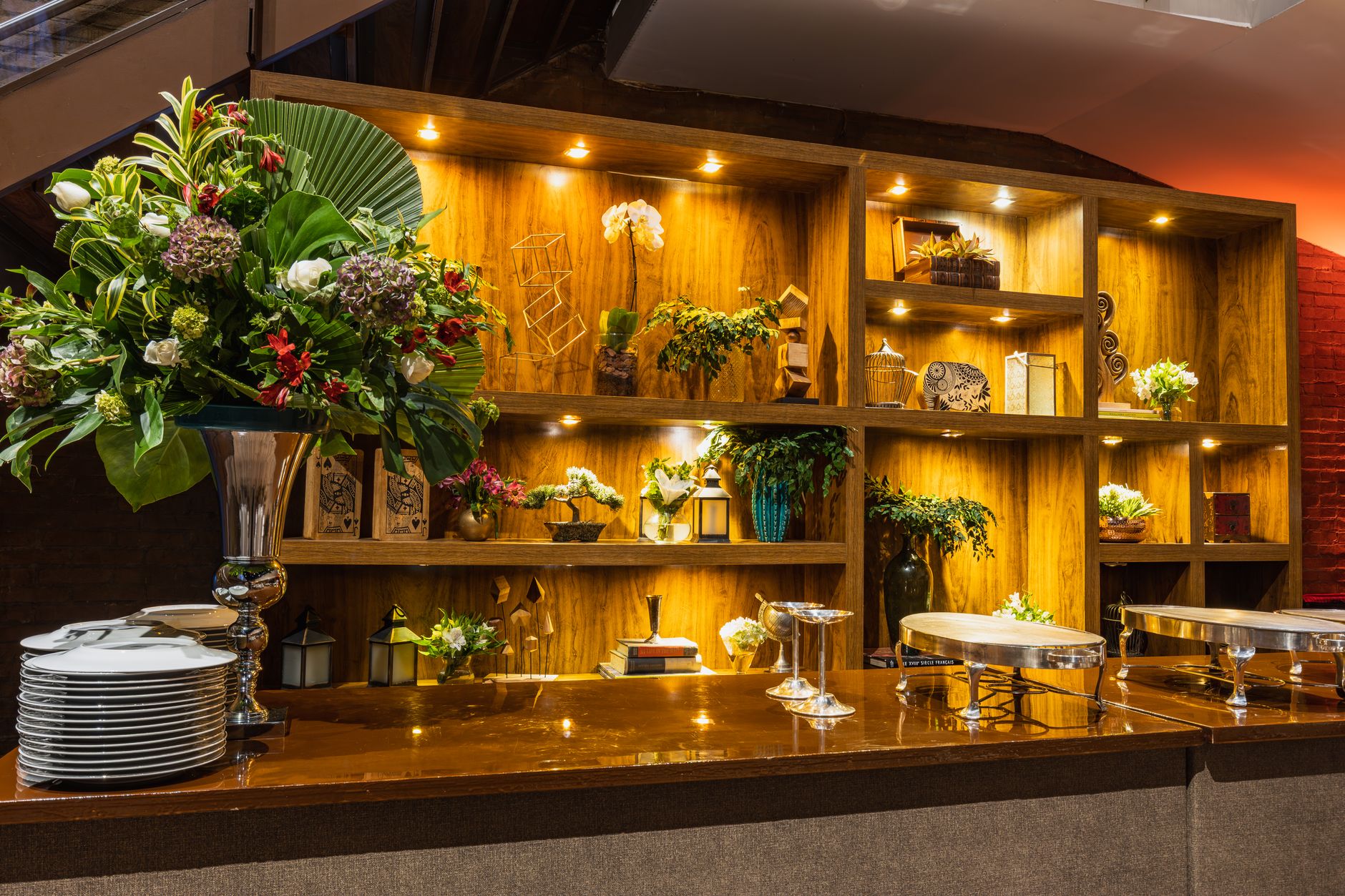
Wall paneling involves covering interior walls with decorative or protective panels made from wood, MDF, PVC, or other materials. Its primary purpose is to enhance the aesthetic appeal of a room, add texture, and protect walls from damage. Wall panels can also help conceal imperfections, uneven surfaces, or wiring. Beyond functionality, wall paneling adds depth, character, and architectural interest, making it a popular choice for both modern and traditional home designs.
How does wall paneling enhance the look of a room?
Wall panels can dramatically change the visual impact of a space. They create texture, patterns, and focal points that add dimension to otherwise flat walls. Panels can be used to highlight specific areas, such as feature walls behind sofas, beds, or entertainment units. In addition, wall paneling can complement furniture, flooring, and color schemes, creating a cohesive and polished interior design.
What types of materials are commonly used for wall panels?
Wall panels come in a variety of materials, each offering unique characteristics:
- Wood: Traditional, warm, and versatile. Can be stained, painted, or left natural. Hardwoods provide durability, while softwoods are cost-effective.
- MDF (Medium-Density Fiberboard): Smooth, affordable, and easy to paint. Ideal for intricate designs or modern interiors.
- PVC or Vinyl: Moisture-resistant, low-maintenance, suitable for bathrooms and kitchens.
- Fabric or Upholstered Panels: Add softness, sound absorption, and luxury. Often used in bedrooms, lounges, and home theaters.
- Metal or Composite Panels: Provide an industrial or contemporary look, often used for accent walls or commercial spaces.
Can wall paneling protect walls from damage?
Yes, wall panels serve as a protective layer against daily wear and tear. They prevent scratches, dents, and stains caused by furniture, pets, or general activity. In high-traffic areas such as hallways and living rooms, panels can preserve the integrity of walls while adding a stylish design element. Moisture-resistant panels are particularly useful in areas prone to humidity, such as bathrooms and kitchens.
What are some popular wall paneling styles?
There are numerous wall paneling styles to suit both modern and traditional homes:
- Wainscoting: Traditional paneling on the lower half of walls, often paired with chair rails.
- Shiplap: Horizontal wooden panels that create a clean, linear look, popular in modern farmhouse interiors.
- Board and Batten: Vertical panels with narrow strips covering seams, adding height and texture.
- Raised or Recessed Panels: Classic style often found in traditional interiors with decorative molding.
- Geometric or 3D Panels: Modern option that adds depth and visual interest through shapes and textures.
- Upholstered Panels: Soft, padded panels that provide luxury and acoustic benefits.
How do you choose the right wall paneling for a room?
Choosing the appropriate wall paneling involves considering several factors:
- Room style: Modern interiors often favor sleek, minimal panels, while traditional spaces suit ornate or raised panels.
- Functionality: Consider protection, moisture resistance, and maintenance needs.
- Room size: Vertical panels or tall wainscoting can make a small room appear taller, while horizontal panels can widen a narrow space.
- Color and finish: Panels can match walls for subtlety or contrast for a focal point. Staining, painting, or leaving panels natural affects the overall mood.
Can wall panels be used as accent walls?
Yes, accent walls are a popular use of wall paneling. Feature walls create a focal point, drawing attention to a bed, fireplace, or entertainment area. Accent panels can have contrasting colors, textures, or patterns to stand out, while the remaining walls are kept simple. Using panels for accent walls adds dimension without overwhelming the room and provides opportunities for creative design.
Do wall panels improve insulation or acoustics?
Wall panels can contribute to minor thermal insulation by adding an extra layer to walls, reducing drafts in some cases. Upholstered or padded panels improve sound absorption, making rooms quieter and more comfortable. While panels alone are not a substitute for full insulation or professional acoustic treatment, they enhance comfort and can be part of a larger soundproofing or energy-efficient solution.
Are wall panels suitable for all rooms?
Yes, wall panels are versatile and can be used throughout the home. Living rooms, bedrooms, dining areas, hallways, and home offices all benefit from decorative or protective paneling. Moisture-resistant panels are ideal for kitchens, bathrooms, or laundry rooms. Wall panels can also be tailored for commercial spaces such as offices, restaurants, or hotels to enhance visual appeal and durability.
Can wall panels be painted or customized?
Most wall panels can be painted or finished to suit a room’s decor. MDF and wood panels are particularly adaptable, allowing homeowners to change colors, add patterns, or highlight textures. Customization includes adding molding, decorative trims, or even integrated lighting to enhance visual impact. Panels can also be designed to complement furniture, flooring, and existing architectural features for a cohesive interior.
Do wall panels require maintenance?
Maintenance depends on the material. Painted or finished wood and MDF panels require occasional dusting and wiping with a soft, damp cloth. PVC or vinyl panels are more resistant to moisture and stains, requiring minimal care. Upholstered panels may need vacuuming or spot cleaning. Regular maintenance keeps panels looking fresh and ensures long-lasting protection and style.
Can wall paneling hide imperfections or wiring?
Yes, one of the practical advantages of wall panels is concealing flaws in walls, such as uneven plaster, cracks, or small dents. Panels can also hide wiring, pipes, or cables, providing a neat and organized appearance. This makes paneling a practical solution for older homes or rooms undergoing renovation.
How do wall panels complement different interior styles?
Wall panels are highly adaptable and can enhance various interior styles:
- Modern: Sleek, flat panels with minimal seams, geometric designs, or 3D textures.
- Traditional: Raised, recessed, or wainscoted panels with decorative molding.
- Industrial: Metal or concrete-look panels combined with exposed beams or brick.
- Rustic or farmhouse: Shiplap, distressed wood, or board-and-batten panels.
- Luxury: Upholstered or textured panels with rich finishes and subtle lighting.
Are there eco-friendly options for wall panels?
Yes, eco-conscious choices include panels made from sustainably sourced wood, recycled MDF, or low-VOC materials. Fabric panels can use natural fibers, and some PVC panels are recyclable. Choosing water-based paints and adhesives further reduces environmental impact while maintaining style and durability.
How do wall panels affect room lighting and ambiance?
Wall panels can influence how light interacts with a room. Glossy or reflective panels enhance brightness by reflecting light, while textured or matte panels absorb light for a cozy atmosphere. Accent panels with integrated lighting or backlighting can create dramatic effects, highlighting textures and shapes. The choice of color and finish also affects mood, with lighter panels making spaces feel open and dark panels adding sophistication and depth.
Can wall panels be combined with other interior elements?
Wall panels can work harmoniously with other interior features such as skirting boards, architraves, ceiling cornices, and built-in shelving. This creates a cohesive design language throughout the space. Panels can also incorporate functional elements like bookshelves, cabinetry, or concealed storage, blending aesthetics with practicality.
Do wall panels increase property value?
High-quality wall paneling enhances the perceived finish and style of a home, which can positively impact property value. Panels that provide visual interest, protection, and durability appeal to potential buyers and suggest attention to detail. Even subtle paneling can elevate the overall interior design, making a home appear more refined and well-maintained.
Are there wall panels suitable for small spaces?
Yes, panels can be adapted for smaller rooms to maximize visual impact without overwhelming the space. Vertical panels or narrow strips create an illusion of height, while horizontal panels can make rooms appear wider. Lighter colors and subtle textures help maintain an open, airy feel. Accent panels in strategic locations can add interest without cluttering the room.
Can wall panels be used in commercial spaces?
Absolutely. Wall panels are widely used in offices, restaurants, hotels, and retail spaces. They provide a combination of aesthetics, durability, and practicality. Panels can conceal wiring, protect walls from damage, and create branding opportunities through color, texture, or custom designs. Commercial installations often favor materials that are easy to clean, resistant to wear, and visually impactful.
How often should wall panels be updated or replaced?
Wall panels are long-lasting but may require updating if damaged, outdated, or if design preferences change. Modernization can involve repainting, adding trim, or replacing select panels with new designs. Updating panels is a cost-effective way to refresh interiors without major renovations, providing an instant style upgrade while preserving structural benefits.
Conclusion
Wall paneling is a versatile and creative solution for enhancing the aesthetics, functionality, and durability of interior spaces. From traditional raised panels to modern 3D designs, there are options for every style and room type. Panels protect walls, hide imperfections, and can be customized to complement furniture, flooring, and color schemes. They also offer potential benefits in acoustics, insulation, and lighting design. Whether used as feature walls, full-room treatments, or subtle accents, wall panels provide a perfect blend of style and practicality, making them a valuable addition to any home or commercial space.