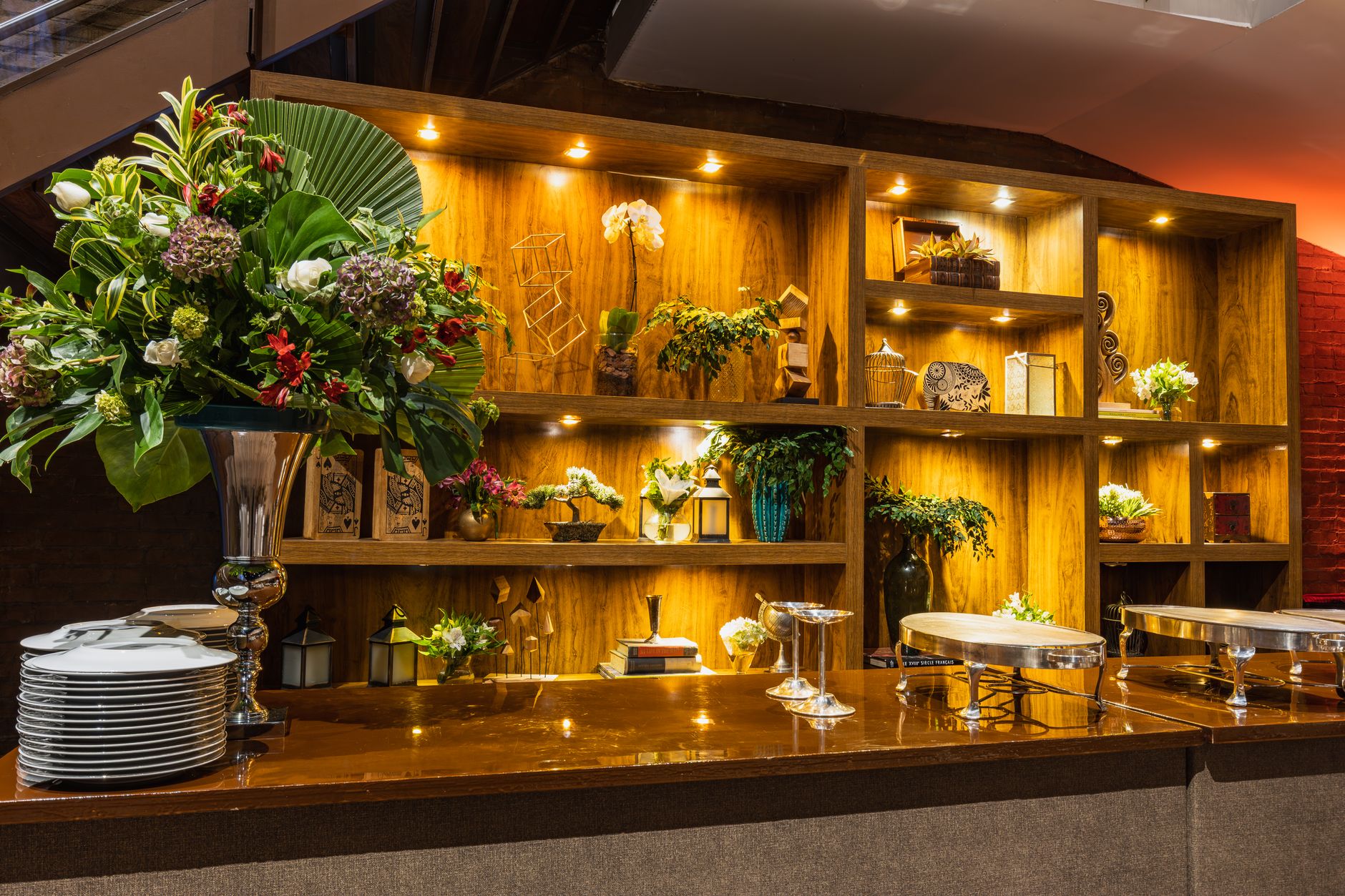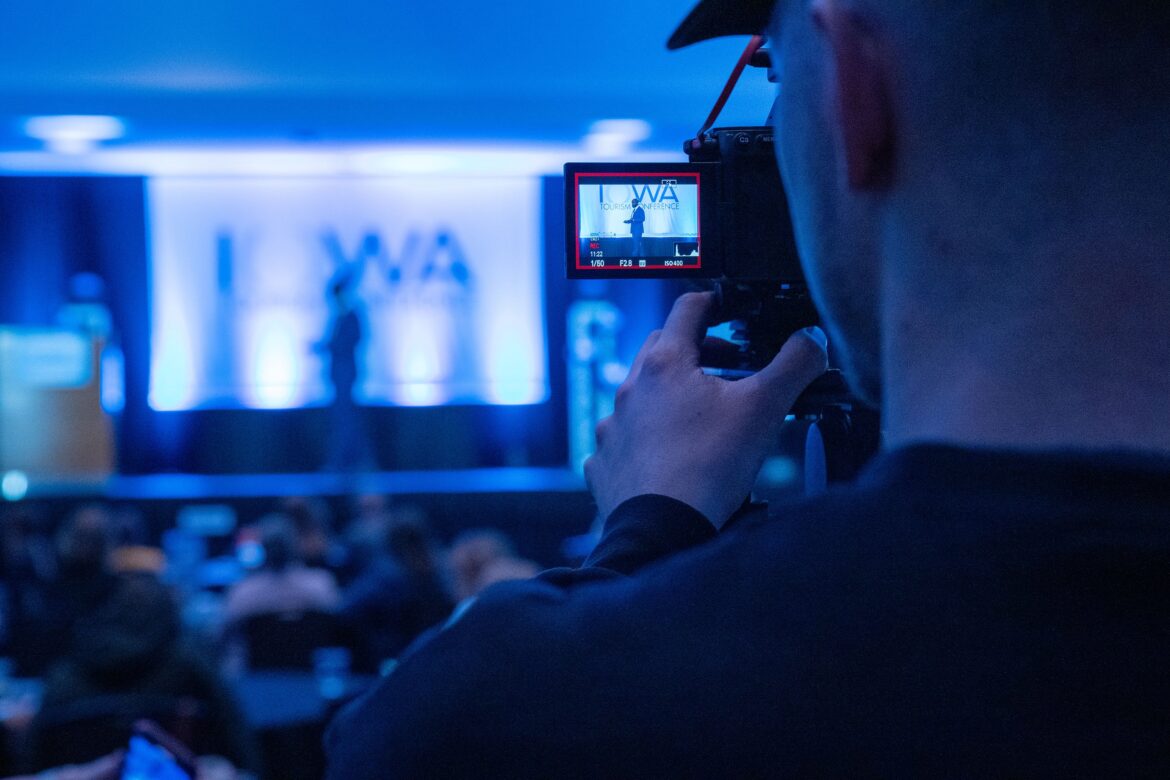
Live events provide businesses with an important opportunity to connect with customers, industry professionals, employees, and partners in a memorable environment. However, creating a successful event requires more than booking a venue and arranging a stage. The physical environment plays a major role in how attendees experience an event, understand a brand, and remember the occasion.
This is where scenic production becomes essential. Scenic production combines creative design, custom structures, fabrication, lighting, graphics, technology, and installation to transform commercial event spaces into engaging environments. When carefully planned, scenic production can turn a standard venue into a professional setting that supports a company’s objectives and creates a stronger connection with its audience.
Understanding Scenic Production for Live Events
Scenic production involves designing and producing the physical elements that create the visual environment of an event. These elements can include stages, branded walls, backdrops, platforms, architectural structures, display areas, dimensional lettering, signage, lighting features, and interactive installations.
For businesses, every component should have a purpose. A stage may provide the focal point for presentations, while branded structures can reinforce corporate identity. Directional signage can improve navigation, and display areas can help attendees interact with products or services.
The most effective scenic environments balance visual impact with practical functionality.
Create a Strong Visual Concept
One of the first techniques for successful scenic production is developing a clear visual concept. Businesses should determine what they want attendees to see, feel, and remember when they enter the event space.
The concept should reflect the company’s brand identity while matching the purpose of the event. A corporate conference might require a sophisticated and professional environment, while a product launch may benefit from a more dynamic and interactive design.
Designers can use shapes, textures, branded graphics, architectural features, and lighting to establish the desired atmosphere.
A strong concept also creates consistency. Instead of having individual displays that look unrelated, all scenic elements can work together as one cohesive environment.
Use Custom Structures to Define the Space
Custom-built structures are another important scenic production technique. Rather than relying entirely on standard venue furniture or temporary banners, businesses can use fabricated elements to create distinct areas within a venue.
For example, a large corporate event might include a central stage, branded entrance structure, networking area, product demonstration zone, and sponsor displays. Each area can have its own purpose while still maintaining the company’s overall visual identity.
Custom structures can also help guide attendee movement. Strategic placement of walls, arches, displays, and signage can naturally direct visitors toward registration areas, presentations, exhibits, or meeting spaces.
Integrate Branding Into the Environment
Branding should be incorporated throughout the scenic environment rather than being limited to a single logo.
Companies can integrate brand colors, typography, messaging, graphics, dimensional logos, and architectural shapes into the design. This creates a stronger visual connection between the physical event and the company’s broader marketing strategy.
For trade shows and industry exhibitions, professional trade show fabrication can provide customized solutions for branded booths, display walls, counters, product platforms, and other exhibition structures.
The goal is to make the brand recognizable without overwhelming the visitor. Strategic branding can create a polished environment while allowing products, presentations, and conversations to remain the focus.
Make Lighting Part of the Design
Lighting is one of the most effective ways to enhance scenic production. It can establish mood, highlight important features, improve visibility, and direct attention toward specific areas.
Businesses can use lighting to emphasize a stage, illuminate a product display, highlight a company logo, or create visual depth within a large venue.
LED technology also provides flexibility for corporate events. Lighting can potentially change throughout the program to reflect different presentations, speakers, or sections of an event.
However, lighting should complement the scenic design rather than compete with it. A well-balanced lighting plan can make structures and graphics more visible while maintaining a professional atmosphere.
Incorporate Digital Technology
Modern live events increasingly combine physical scenic elements with digital technology. Screens, projection systems, interactive displays, and digital signage can add another dimension to the attendee experience.
A business could use large screens behind a presentation stage, interactive product displays in an exhibition area, or digital graphics integrated into a branded installation.
Technology can also help businesses update messaging during an event. Instead of replacing physical graphics, digital content can be changed according to the schedule, presentation, or audience.
The most successful approach is to use technology where it supports the event’s purpose. Digital features should enhance the scenic environment rather than become distractions.
Design for Large Commercial Spaces
Scenic production is particularly valuable when businesses need to transform large commercial spaces. Convention centers, exhibition halls, corporate venues, outdoor event areas, and parking facilities can present unique design challenges because of their size.
For example, a business hosting an outdoor promotional event may need branded structures that remain visible from a distance. Directional signs can help visitors move safely through parking areas, while large branded elements can identify entrances and event zones.
In a commercial parking lot, scenic techniques can also be used for temporary brand activations, event entrances, directional structures, sponsor displays, or customer-facing installations. Materials and construction methods should be selected according to the environment and expected usage.
Consider Visitor Movement
A visually impressive environment is not successful if attendees cannot move through it comfortably.
Scenic production should consider entrances, exits, walkways, presentation areas, product displays, registration points, and gathering spaces. Designers need to understand how people will interact with the environment during busy periods.
Clear pathways and strategically positioned visual elements can make the event easier to navigate.
This is particularly important for large business events where hundreds or thousands of attendees may move through the same space.
Prioritize Quality Fabrication
The quality of fabrication directly affects the appearance and performance of scenic elements. Poorly constructed structures can reduce the professional impression a business wants to create.
Professional fabrication considers materials, dimensions, finishes, structural requirements, transportation, installation, and reuse.
Businesses planning multiple events may benefit from durable modular components that can be adapted to different venues. This approach can provide greater flexibility while helping companies maintain consistent branding.
For exhibition-focused projects, trade show fabrication should be considered early so the scenic design, construction, transportation, and installation requirements can be coordinated effectively.
Work With an Experienced Production Partner
Successful scenic production requires coordination between creative and operational teams. Businesses should choose production partners capable of managing design, fabrication, logistics, installation, and event schedules.
Show Ready can be considered by businesses looking for professional support with commercial scenic environments. An experienced production team should understand that every event has different requirements and should be able to develop solutions around the venue, audience, brand, and event objectives.
Good communication is equally important. Project teams should discuss budgets, deadlines, materials, installation procedures, venue restrictions, and design expectations before production begins.
Build for Reuse and Efficiency
Scenic production does not always need to be a one-time investment. Businesses that participate in recurring events can design modular scenic elements that can be transported and reconfigured.
A branded wall created for one conference might later become part of an exhibition booth. Freestanding structures can potentially be resized or rearranged for another venue.
This approach can reduce unnecessary waste and help businesses receive more value from their scenic investment.
Conclusion
Effective scenic production can transform live business events from ordinary gatherings into memorable brand experiences. Through strong visual concepts, custom structures, integrated branding, strategic lighting, digital technology, thoughtful layouts, and quality fabrication, businesses can create environments that attract attention and support meaningful interactions.
Whether the event takes place inside a convention center, corporate venue, exhibition hall, outdoor commercial space, or parking lot, scenic production should combine creativity with practical planning.
By partnering with an experienced company such as Show Ready and incorporating professional trade show fabrication where appropriate, businesses can create polis