
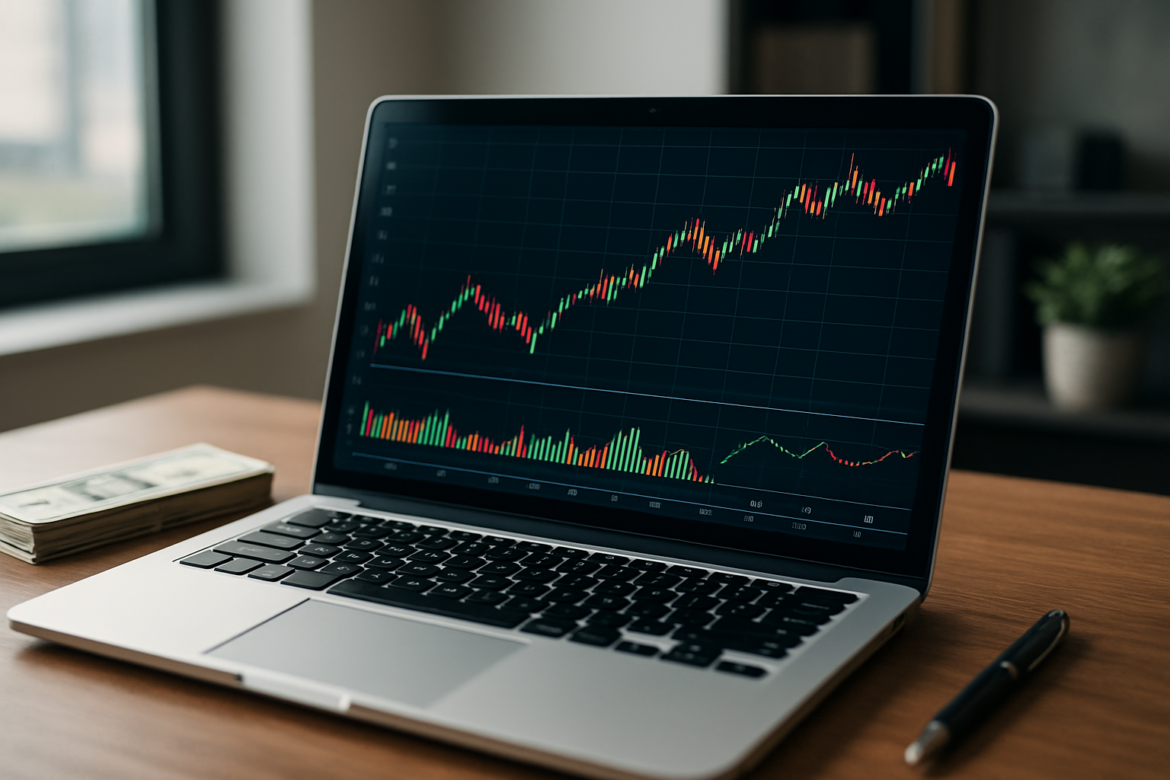
How can traders stay focused when markets are constantly producing new price movements? A structured trade day approach can help create a clearer path through changing market conditions. Instead of attempting to monitor every fluctuation, traders can prioritize relevant setups, follow defined criteria, and evaluate opportunities with greater consistency. This approach supports a more organized trading process while keeping attention on meaningful market developments.
Contents
- What makes a focused trading day more productive?
- How can market data improve opportunity selection?
- Why is a trading plan important during active markets?
- How can traders identify high-quality opportunities?
- Can time management improve trading focus?
- What statistics can reveal about daily opportunities?
- How does reviewing previous sessions support better focus?
- What creates sustainable focus in trading?
- Conclusion
What makes a focused trading day more productive?
Focus begins with knowing what deserves attention. Traders can define preferred markets, trading sessions, setup types, and risk parameters before activity increases. This creates a practical filter for identifying opportunities.
Rather than watching every available chart, a focused trader can concentrate on instruments that match their strategy. This reduces unnecessary information and makes it easier to recognize familiar patterns as they develop.
How can market data improve opportunity selection?
Market data provides useful context for evaluating potential trades. Price trends, volatility, trading volume, support and resistance levels, and momentum can all contribute to a broader market view.
Keeping a record of these factors can also create valuable statistics. After collecting enough observations, traders may identify which market conditions have historically aligned with their strongest setups. This makes future decision-making more evidence-based.
Why is a trading plan important during active markets?
A trading plan acts as a reference point when markets become fast-moving. It can define entry conditions, preferred trade direction, risk limits, profit objectives, and situations where no trade should be taken.
Having these conditions established in advance can make it easier to distinguish between an attractive opportunity and ordinary market noise. A plan also creates consistency, allowing results to be reviewed against a known process.
How can traders identify high-quality opportunities?
Quality often comes from alignment. A setup may become more interesting when several factors support the same market view, such as a clear trend combined with a relevant price level and suitable momentum.
Traders can assign their own criteria to these factors and record whether each condition was present when a trade was taken. Over time, this creates a practical dataset that can help highlight which combinations deserve greater attention.
Can time management improve trading focus?
Yes. Markets can offer opportunities throughout the day, but that does not mean every period deserves equal attention. Establishing specific observation and trading windows can help traders manage their time more effectively.
A defined schedule can also encourage preparation before active periods and review afterward. This creates a consistent rhythm and helps prevent trading from becoming an unstructured activity.
What statistics can reveal about daily opportunities?
Simple statistics can provide valuable insight into trading behavior. Traders can monitor the number of setups observed, opportunities entered, winning trades, average return, average risk, and performance by market session.
For example, a journal may show that certain setups occur frequently but produce weaker results, while less frequent setups demonstrate stronger historical performance. Such information can help traders refine their attention toward opportunities that better match their strategy.
How does reviewing previous sessions support better focus?
Reviewing previous trading sessions allows traders to learn from actual market observations. A useful review can examine which opportunities were identified, which were missed, and whether decisions followed the original plan.
Screenshots, notes, and performance statistics can make this process more detailed. Instead of relying only on memory, traders can build a record that shows how their strategy performs over time.
What creates sustainable focus in trading?
Sustainable focus comes from simplicity and consistency. A trader does not need to react to every market movement. A clear watchlist, defined criteria, measurable risk, and regular review can create a more efficient process.
The goal is to make attention selective rather than constant. When traders know what they are looking for, opportunities can be evaluated with greater clarity.
Conclusion
Staying focused on market opportunities is easier when trading has a clear structure. Preparation helps define priorities, market data provides context, statistics reveal useful patterns, and regular reviews support continuous improvement.
A disciplined daily approach allows traders to spend less energy reacting to distractions and more time evaluating opportunities that fit their strategy. Over time, this structured mindset can turn each trading session into a focused and measurable part of a professional trading routine.