
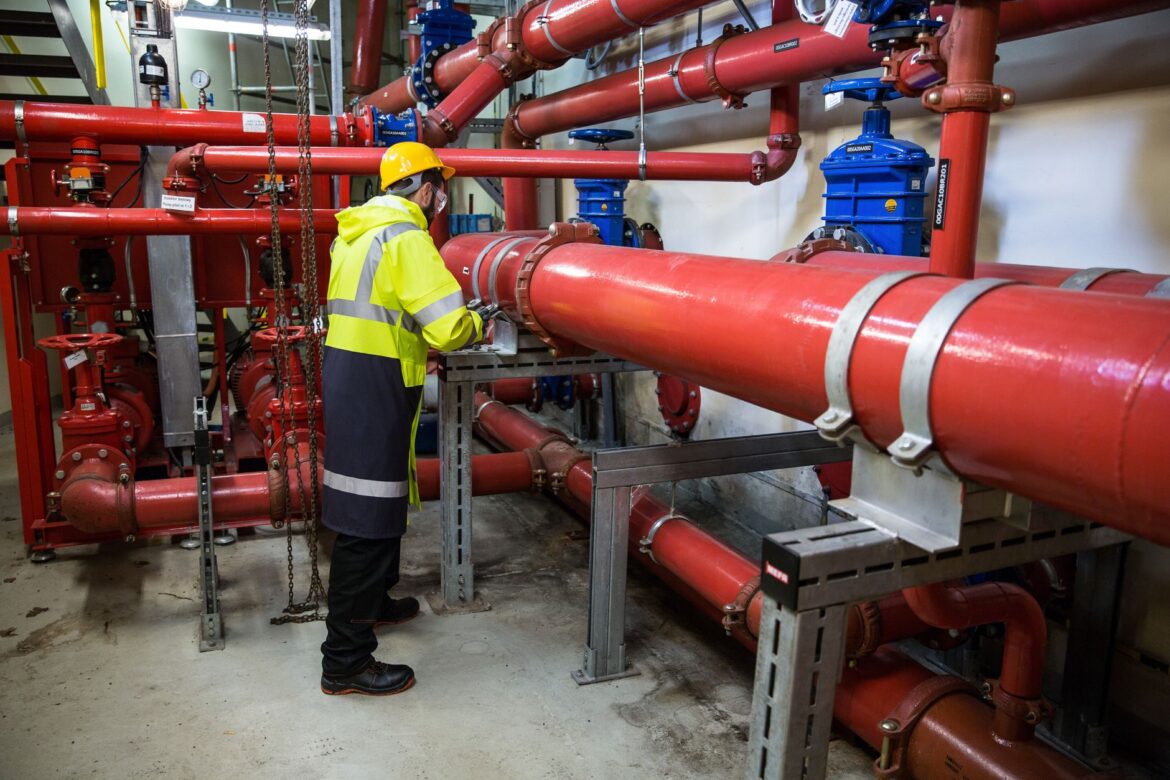
What makes facility engineering effective in an industry where operating conditions can change quickly? Practical engineering depends on more than technical calculations. It requires an understanding of equipment, field requirements, project priorities, safety expectations, and long-term performance. Robert Stitzel has developed a professional background that brings these elements together through extensive experience in facility engineering, reliability, operations, project management, and engineering management. His approach reflects the value of applying technical knowledge to practical challenges while keeping efficiency and responsible development in focus.
Contents
- How does practical engineering support facility performance?
- What role does adaptability play in facility development?
- How can sustainable engineering improve long-term results?
- Why is equipment selection important for facility reliability?
- How does engineering standardization support sustainable development?
- How can project management influence facility outcomes?
- What role does safety play in sustainable facility engineering?
- Conclusion
How does practical engineering support facility performance?
A facility must be designed and maintained according to the conditions in which it will actually operate. Engineers need to consider production changes, equipment capabilities, flow requirements, maintenance needs, and future operating expectations. Practical engineering connects these factors so that facility improvements are useful not only on paper but also in day-to-day operations.
Experience with gathering systems, flow-line sizing, separators, storage tanks, pumps, compressors, and vessels provides a strong foundation for evaluating facility performance. Each component contributes to the overall effectiveness of a system, making an integrated engineering perspective particularly valuable.
What role does adaptability play in facility development?
Energy facilities often evolve as production conditions change. Existing infrastructure may require modifications to accommodate new flows, updated equipment, or different operating requirements. Rather than treating facility design as a fixed process, adaptable engineering considers how systems can respond to future needs.
The professional experience of Robert Stitzel Midland Texas includes updating older fields and modifying facilities to address changing conditions. This type of work demonstrates how engineering decisions can improve the usefulness of existing infrastructure while supporting continued operational development.
How can sustainable engineering improve long-term results?
Sustainable facility development involves considering resource efficiency, equipment performance, maintenance requirements, environmental responsibility, and future operating conditions. A well-planned facility can provide dependable performance while reducing unnecessary operational challenges.
Efficiency can be supported through appropriate equipment sizing, improved control strategies, preventive maintenance programs, and careful evaluation of new technologies. These measures can help facilities operate effectively while encouraging a more thoughtful approach to long-term resource management.
Why is equipment selection important for facility reliability?
Equipment must be selected according to the specific requirements of the application. Pumps, compressors, separators, vessels, and other systems need to perform reliably under expected operating conditions. Proper sizing and engineering evaluation can contribute to improved performance and reduced maintenance challenges.
Experience with both centrifugal and reciprocating equipment provides useful insight into the different considerations involved in facility design. Understanding equipment behavior allows engineers to make decisions that support reliability as well as operational efficiency.
How does engineering standardization support sustainable development?
Consistent engineering practices can improve both project quality and execution efficiency. Technical libraries, standardized equipment packages, typical installation drawings, and operating procedures give engineering teams reliable foundations for developing projects.
Standardization also supports knowledge transfer. When proven engineering practices are documented, teams can spend more time evaluating project-specific requirements rather than recreating basic designs for every application. This can contribute to better use of engineering resources and more consistent facility development.
How can project management influence facility outcomes?
Facility projects require careful coordination from planning through construction and commissioning. Engineers must communicate with field personnel, construction teams, project professionals, and financial stakeholders to keep objectives aligned.
Strong project management also requires attention to cost. Accurate estimating, tracking, and communication can help organizations maintain financial discipline while pursuing important facility improvements. A balanced approach allows engineering teams to consider both technical value and practical project constraints.
What role does safety play in sustainable facility engineering?
Safety is an essential part of responsible engineering. Facility modifications can involve changes to equipment, processes, flow systems, and operating procedures, making structured evaluation important before implementation.
Management-of-change practices and process hazard analysis can help teams identify potential concerns and develop appropriate safeguards. Environmental considerations, secondary containment, preventive maintenance, and reclamation planning can further support responsible facility development.
Conclusion
Practical engineering creates value when technical knowledge is connected with real operating needs and long-term objectives. The professional experience of Robert Stitzel demonstrates how facility engineering, reliability, project management, safety, cost awareness, and team development can contribute to stronger industrial systems. By combining practical problem-solving with thoughtful planning, engineers can help create facilities that are efficient, adaptable, reliable, and responsibly developed for changing operational requirements.