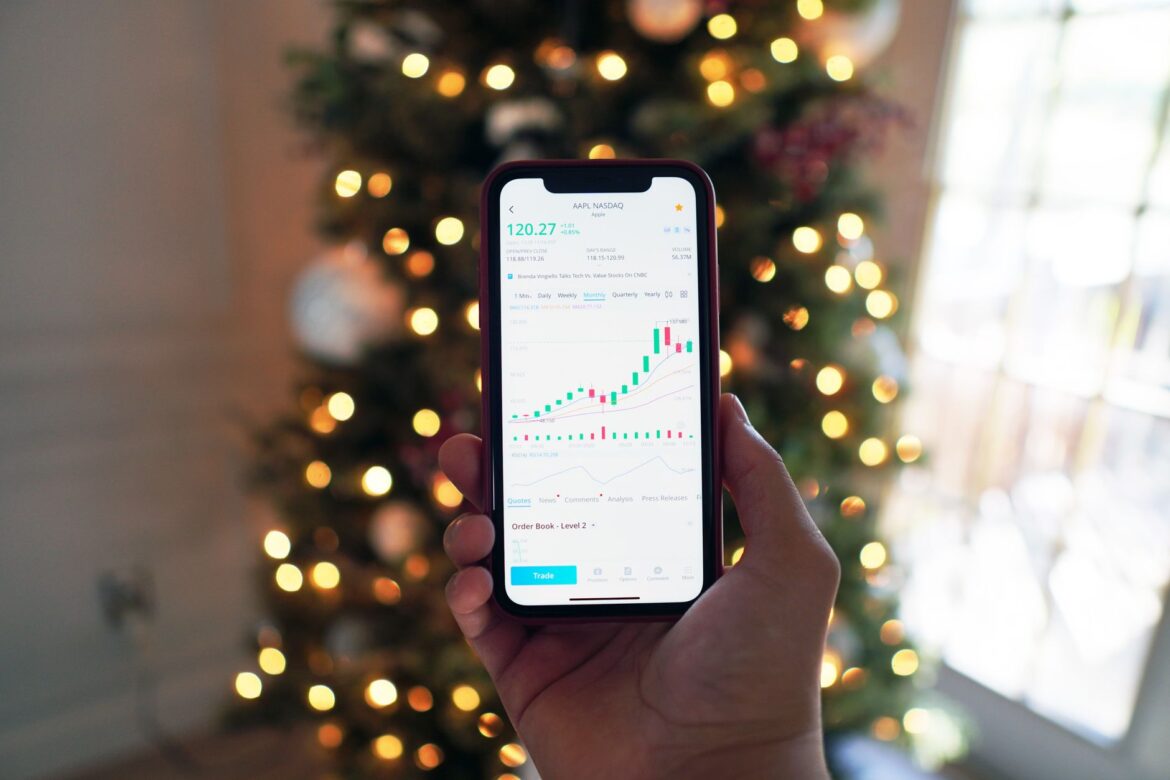
stock market holiday on September 14, 2026, will affect trading activities as NSE and BSE remain closed for Ganesha Chaturthi. Investors should plan accordingly.
What is Ganesha Chaturthi?
Ganesha Chaturthi is a significant Hindu festival celebrated in honor of Lord Ganesha, the elephant-headed deity widely revered as the remover of obstacles and the god of beginnings. This festival typically falls between late August and early September, depending on the lunar calendar, and is marked by vibrant festivities that last for ten days.
During Ganesha Chaturthi, devotees bring home idols of Lord Ganesha and perform elaborate rituals, which include offering prayers, singing devotional songs, and preparing delicious sweets such as modaks, believed to be a favorite of the deity. The festival culminates in a grand procession where the idols are immersed in water, symbolizing the cycle of creation and dissolution.
The significance of this festival extends beyond religious observance; it serves as a time for family gatherings, community bonding, and cultural expression. In many cities across India, the festival is characterized by large public celebrations, showcasing artistic decorations and performances.
As Ganesha Chaturthi approaches, it is important for investors to note that the stock market holiday will occur on Monday, September 14, 2026. This closure provides a unique opportunity for individuals to reflect on their investment strategies and make informed decisions during this festive period.
Impact of Holidays on Stock Markets
Holidays can significantly impact stock markets, often leading to fluctuations in trading volumes and investor behavior. During stock market holidays, such as the upcoming closure on Ganesha Chaturthi, trading is halted, which can create a pause in market momentum. This closure provides investors with an opportunity to reassess their strategies without the immediate pressure of daily trading.
The effects of stock market holidays are multifaceted:
- Reduced Trading Volume: With markets closed, trading volumes decline, which can lead to less price volatility in the days leading up to and following the holiday.
- Market Sentiment: Holidays often influence market sentiment, as investors may take a more cautious approach, reflecting on their portfolios and market conditions.
- Increased Research Time: A stock market holiday provides a chance for investors to conduct thorough research, study trends, and prepare for upcoming trading sessions.
Ultimately, stock market holidays can serve as a timely reminder for investors to evaluate their positions and consider their long-term strategies. As Ganesha Chaturthi approaches, those looking to make smart investments should leverage this period to enhance their financial knowledge and plan for the future.
NSE and BSE Trading Hours
The National Stock Exchange (NSE) and the Bombay Stock Exchange (BSE) have specific trading hours that investors should be aware of, especially around stock market holidays. Typically, both exchanges operate from Monday to Friday, with trading hours from 9:15 AM to 3:30 PM IST. However, on certain occasions, such as Ganesha Chaturthi, the stock markets close, providing a brief pause in trading activities.
During a stock market holiday, investors often take the opportunity to reassess their portfolios and strategize for upcoming trading days. This time can be utilized effectively to analyze market trends, review financial reports, and consider potential investment opportunities. Understanding the trading hours is crucial for making timely decisions, particularly as the market can react swiftly to local and global events.
On days leading up to a stock market holiday, it is common to see increased volatility as traders adjust their positions. Investors should be mindful of the impact of these holidays on stock prices, as they can influence market sentiment. In preparation for the next trading day post-holiday, it’s advisable for investors to stay informed and ready to act based on their research and market developments.
Utilizing stock market holidays for thoughtful investment planning can lead to smarter decisions and potentially better returns in the long run.
Investment Strategies During Holidays
Investors often find the stock market holiday to be an opportune moment to reassess their strategies and make informed decisions. During holidays like Ganesha Chaturthi, when the markets are closed, it is essential to reflect on potential investment avenues that may yield positive returns once trading resumes.
Here are some effective investment strategies to consider during stock market holidays:
- Research and Analysis: Use the time to conduct thorough research on companies and sectors that interest you. Analyze their performance and potential growth.
- Diversification: Consider diversifying your portfolio to mitigate risks. Look into sectors that may perform well during changing market conditions.
- Long-term Planning: Focus on long-term investment goals rather than short-term gains. Evaluate your risk tolerance and adjust your strategies accordingly.
- Setting Alerts: Set price alerts for stocks you are interested in. This ensures that you are informed when the market reopens, allowing you to act quickly.
- Networking: Use the holiday to connect with other investors or finance professionals. Engaging in discussions can provide fresh insights and ideas.
By utilizing the stock market holiday effectively, investors can better position themselves for future opportunities and navigate the market with confidence.
Historical Market Performance
The significance of stock market holidays extends beyond mere days off; they often present unique opportunities for investors. Historical data indicates that market performance during holidays can be markedly different from regular trading days. Analyzing past trends reveals that stock markets often display particular patterns surrounding these holidays.
For instance, during the Ganesha Chaturthi holiday, which is observed on various dates each year, there is a noticeable fluctuation in stock prices in the days leading up to and following the holiday. Investors often react to this holiday by adjusting their portfolios, leading to increased trading volumes before the break.
Key observations from historical market performance include:
- Increased volatility: Many investors take positions before holidays, resulting in sharp price movements.
- Positive returns: Historically, some markets have shown a tendency to rally after holiday breaks, suggesting a bullish sentiment.
- Seasonal adjustments: Certain sectors may see increased activity or returns based on historical trends associated with holiday periods.
Understanding these patterns can provide valuable insights for investors looking to capitalize on opportunities associated with stock market holidays. As the next Ganesha Chaturthi approaches, those who pay attention to historical performance may find themselves in a favorable position for smart investments.
How to Prepare for Market Closures
As the stock market holiday approaches, particularly during significant events like Ganesha Chaturthi, investors should take the opportunity to prepare for market closures effectively. Understanding how to navigate these times can lead to smarter investment decisions. Here are some steps to consider:
- Review Your Portfolio: Take this time to assess your current investments. Consider their performance and whether they align with your long-term financial goals.
- Research Market Trends: Look into recent market trends and news that may impact your investments post-holiday. Staying informed helps in making educated decisions.
- Set Clear Goals: Define what you aim to achieve once trading resumes. Whether it’s buying new stocks or reallocating resources, having a strategy is crucial.
- Consider Market Sentiment: Holidays can affect market sentiment. Analyze how previous stock market holidays have influenced trading behavior.
- Plan for Volatility: After a holiday, markets may experience fluctuations. Prepare for potential volatility by having a plan in place to manage risks.
By taking these proactive steps during a stock market holiday, investors can position themselves to capitalize on opportunities and navigate the post-holiday trading landscape with confidence.
Understanding Market Trends
Understanding market trends is crucial for investors, especially during a stock market holiday. Holidays can significantly influence market behavior, and being aware of these trends allows investors to make informed decisions. The stock market tends to experience fluctuations before and after holidays, as traders adjust their positions based on anticipated movements and external economic factors.
During festive periods, such as Ganesha Chaturthi, many investors may take a break from trading, leading to lower trading volumes. This can result in increased volatility, as fewer transactions may cause price swings in response to market news or economic data releases. It is important for investors to analyze historical patterns during similar occasions to predict potential outcomes.
Additionally, understanding the broader economic environment is essential. Factors such as inflation rates, government policies, and global economic conditions play significant roles in influencing market trends. Investors should keep an eye on these indicators, especially leading up to and following a stock market holiday.
Furthermore, sectors traditionally associated with the holiday season, such as consumer goods and retail, may see increased activity. Recognizing these patterns can provide investors with opportunities to capitalize on potential gains when the market reopens.
In summary, a thorough understanding of market trends during holidays can empower investors to navigate the complexities of trading and enhance their investment strategies.
Key Dates for Investors in 2026
As investors plan their strategies, it is essential to be aware of key dates for the stock market in 2026. The stock market holiday on September 14, 2026, will coincide with Ganesha Chaturthi, a significant festival celebrated across India. On this day, both the National Stock Exchange (NSE) and the Bombay Stock Exchange (BSE) will remain closed, providing an opportunity for investors to reassess their portfolios and consider potential adjustments.
In addition to the Ganesha Chaturthi holiday, other important dates to note include:
- January 26, 2026: Republic Day
- March 25, 2026: Good Friday
- April 14, 2026: Dr. B.R. Ambedkar Jayanti
- May 1, 2026: Maharashtra Day
- August 15, 2026: Independence Day
- October 2, 2026: Gandhi Jayanti
Recognizing these stock market holidays can help investors make informed decisions about their investments. Timing their actions around these dates may lead to better market opportunities. As the stock market holiday approaches on September 14, investors should evaluate their strategies carefully, considering both market trends and individual goals.
During a stock market holiday, investors can take the time to analyze their portfolios and make informed decisions. This break in trading activity often presents a unique opportunity to strategize for the next market cycle while enjoying the benefits of a stock market holiday.
Photo by Joshua Mayo on Pexels